How to Plan a Safari from Zanzibar: Fly-In Trips and Beach Combinations
Why Zanzibar Makes a Good Starting Point for a Safari
Zanzibar is known for its white sand beaches and turquoise waters, but it also works well as a launch point for a wildlife trip into mainland Tanzania. Many travelers who come for the Indian Ocean coast find themselves wanting to see the animals of the Serengeti as well. The distance between the island and the national parks is large, several hundred kilometers, but a short flight makes the connection feasible. A well-planned itinerary can include both beach time and game drives without wasting days in transit.
The key is to think of the trip in two parts: the coastal stay and the safari component. Because the safari portion requires moving to a different climate and landscape, you need to decide how many days to spend in each place and how to transfer between them. Road options exist but take much longer; flying is the practical choice for most visitors.
Understanding the Transfer from Zanzibar to the Parks
The most common route for a Zanzibar safari tours experience is a fly-in from Zanzibar Airport to an airstrip near Serengeti National Park. Scheduled flights and charter services operate between the island and the mainland, with a stop or direct connection depending on the airline. The flight itself takes about two hours, which saves you a full day of driving. Once you land, a vehicle from the lodge or camp meets you and drives you to the accommodation.
Some itineraries combine a visit to Ngorongoro Crater or Tarangire National Park with the Serengeti portion. The flight into the Serengeti puts you right in the middle of the action, but you can also arrange a transfer that includes a night in Arusha or on the edge of the Rift Valley. The flexibility depends on the operator and the type of package you choose.
What to Expect on a Combined Wildlife and Beach Holiday
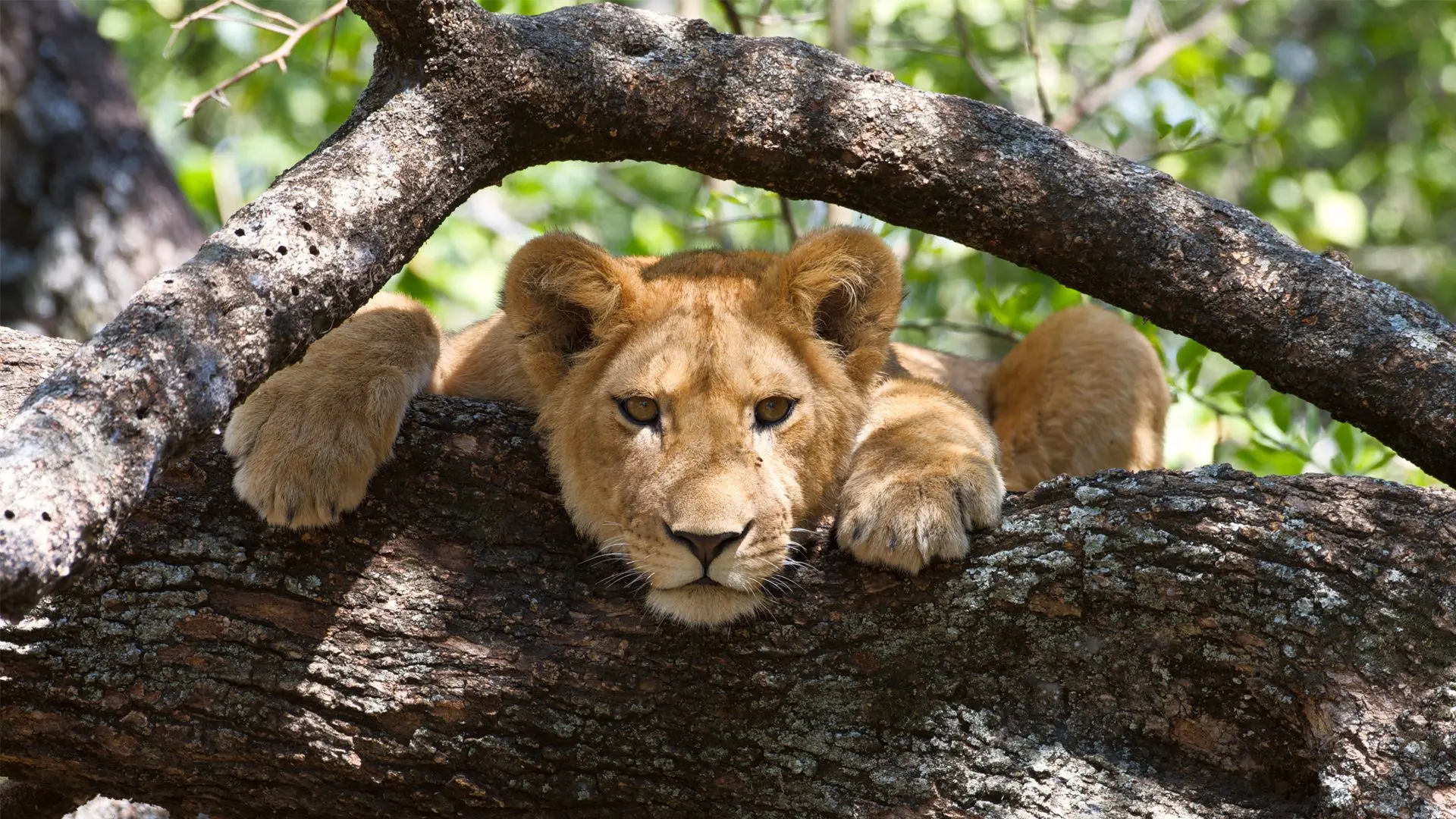
A combined Tanzania safari that includes both the coast and the bush gives you two very different experiences in one trip. On the beach side, you get the classic Indian Ocean resort feel: snorkeling, diving, spice tours, and lazy afternoons by the water. On the safari side, you get early morning game drives, open landscapes, and the chance to see predators and large herds. The contrast is part of the appeal.
When planning a combined trip, you need to think about the order. Many people start with the safari and finish on the beach so they can relax after the dusty game drives. Others prefer to do the beach first and save the safari for the end. Neither order is wrong, but the logistics of flights and accommodation sometimes make one sequence easier than the other.
A tailor-made safari itinerary can help you match the timing to your preferences. For example, if the Great Migration is in a particular region of the Serengeti during your travel dates, the itinerary can adjust the park sector you visit. Similarly, if you want a shorter safari and a longer beach stay, that can be arranged.
Fly-In Safari: How It Works
A Serengeti fly-in safari is exactly what it sounds like: you fly from Zanzibar to the Serengeti, spend a few days on game drives, and then fly back to the island or onward to another destination. The main advantage is time. Instead of spending two days driving each way, you get a full day of game viewing on the day you arrive and the day you leave.
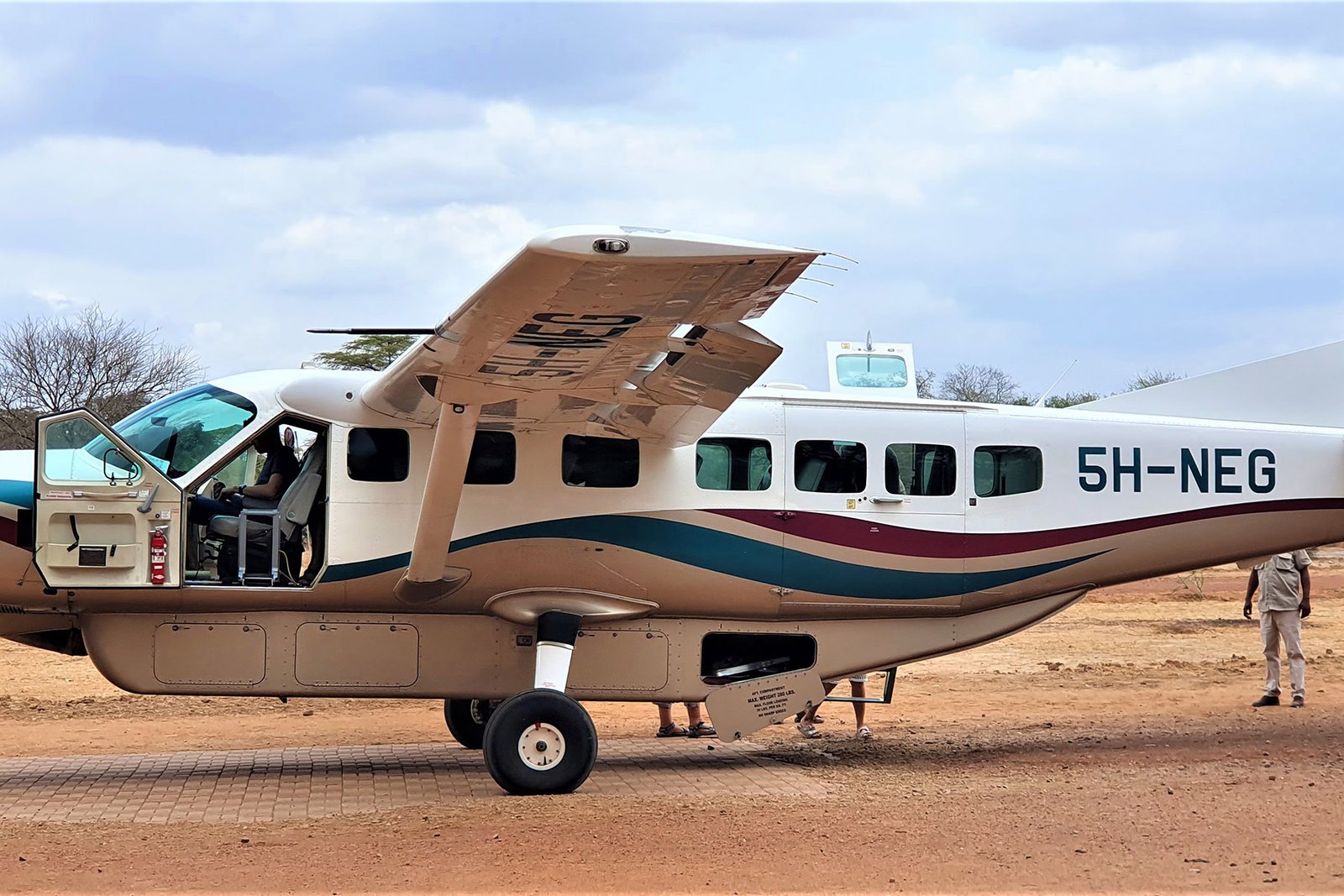
The flights are typically small aircraft, Cessna Caravans or similar, that land on unpaved airstrips inside the park. The planes are comfortable but basic, and luggage is limited to soft bags that fit in the cargo compartment. Weight and balance are taken seriously, so you need to pack light. Most lodges provide laundry service, so you do not need a different outfit for each day.
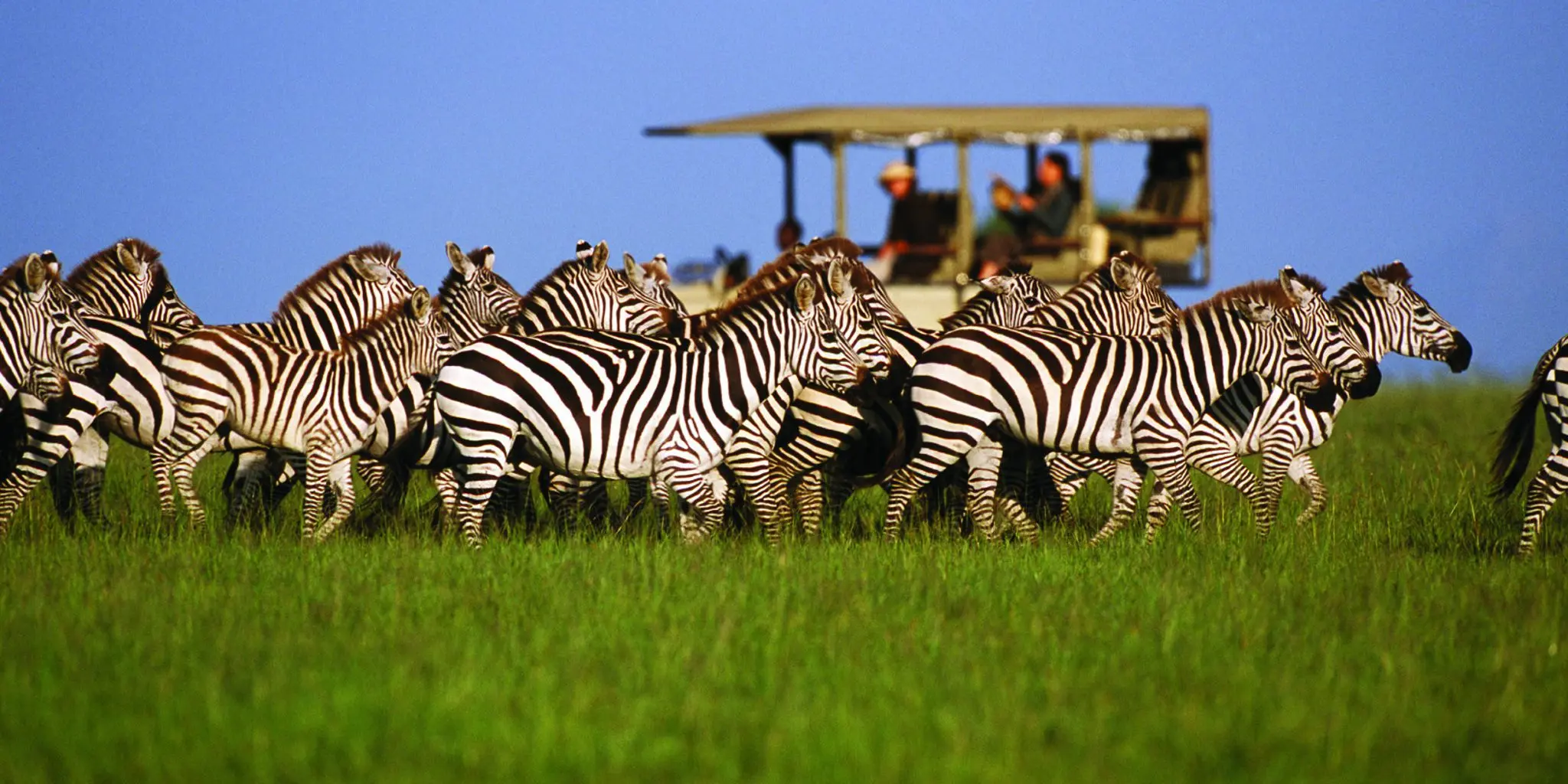
Once you are in the Serengeti, the experience is the same as any other safari: guided drives in open vehicles, bush walks where permitted, and meals at the camp. The difference is that you arrived there quickly from the coast, which means you can spend more time actually watching animals and less time sitting in a transfer vehicle.
Practical Considerations for Zanzibar Safari Tours
When you book a Zanzibar safari tours package, you are essentially buying a combination of flights, accommodation, and guiding. The quality of the guiding matters a lot. A good guide knows where to find animals, how to position the vehicle for photographs, and how to read the behavior of predators. The lodge or camp you stay at also affects the experience: some are luxurious with private plunge pools and fine dining, while others are simple tented camps that focus on the bush atmosphere.
Here are a few things to check before you book:
- Flight schedule: how many departures per week, and whether they match your arrival and departure dates.
- Baggage allowance: most small planes have a 15 kg limit per person, so pack accordingly.
- Park fees: these are often included in the package, but confirm so there are no surprises.
- Meal plans: some beach hotels offer half-board while others are full-board; know what is covered.
- Travel insurance: make sure your policy covers small aircraft flights and any medical evacuation needs.
Time Allocation: How Many Days for Each Part
The ideal split depends on your interests and how much time you have. A common pattern is three nights on safari and four nights on the beach, or the reverse. For a shorter trip, two nights in the Serengeti can still give you a good experience, especially if you fly in and out. For a longer trip, you can add a night in Tarangire or Lake Manyara to see different habitats.
Keep in mind that the beach part of the trip is more flexible. You can extend your stay on Zanzibar without changing the safari portion, as long as you have a return flight from the mainland that connects. The safari part is harder to shorten because of the fixed costs of flights and guiding.
Choosing Between Group and Private Safaris
Most packages from Zanzibar are either private or small group. Private safaris cost more but give you full control over the itinerary, vehicle, and guide. Group safaris are cheaper and let you share the experience with other travelers, but the schedule is fixed and you may have to wait for others at each stop.
For a combined wildlife and beach holiday, a private arrangement often works better because you can adjust the timing to match your flight schedule. If you are traveling with family or a small group of friends, the private option is usually worth the extra cost. Solo travelers can join a group tour to keep costs down and meet people.
What to Pack for a Safari from Zanzibar
Packing for a trip that includes both beach and bush requires some thought. You need lightweight clothing for the coast and warmer layers for the cool mornings and evenings in the Serengeti. Neutral colors are recommended on safari, khaki, olive, beige, because bright colors can disturb animals and attract tsetse flies.
Here is a short list of essentials:
- A light fleece or jacket for early morning drives.
- Comfortable walking shoes or boots for bush walks.
- A hat and sunglasses for sun protection.
- Binoculars for spotting distant animals.
- A camera with a good zoom lens for wildlife photography.
Most lodges provide mosquito nets and repellent, but it is smart to bring your own. Also bring any medications you might need, because pharmacies in the parks are limited.
When to Go
The best time for a safari from Zanzibar depends on what you want to see. The dry season from June to October is the classic safari window because animals gather around water sources and the grass is short, making them easier to spot. The wet season from November to May brings greener landscapes, migratory birds, and fewer crowds, but some roads can be muddy and the animals are spread out.
If your main interest is the Great Migration, the timing matters a lot. The herds move in a cycle across the Serengeti and into the Maasai Mara, so you need to be in the right sector at the right time. A tailor-made safari itinerary can match your dates to the migration location.
Final Thoughts on Planning Your Trip
A safari from Zanzibar offers a way to see two very different sides of Tanzania in one holiday. The combination of beach relaxation and wildlife adventure works well for travelers who want variety without spending too much time traveling between destinations. The key is to choose a package that fits your pace and budget, and to confirm the details of flights and transfers before you go.
Because the logistics involve both an island and a mainland park, working with an operator who handles the connections is a good idea. You can focus on enjoying each part of the trip instead of worrying about missed flights or late transfers. Whether you prefer a short fly-in safari or a longer stay on the coast, the experience is memorable for the way it combines two landscapes into one journey.